

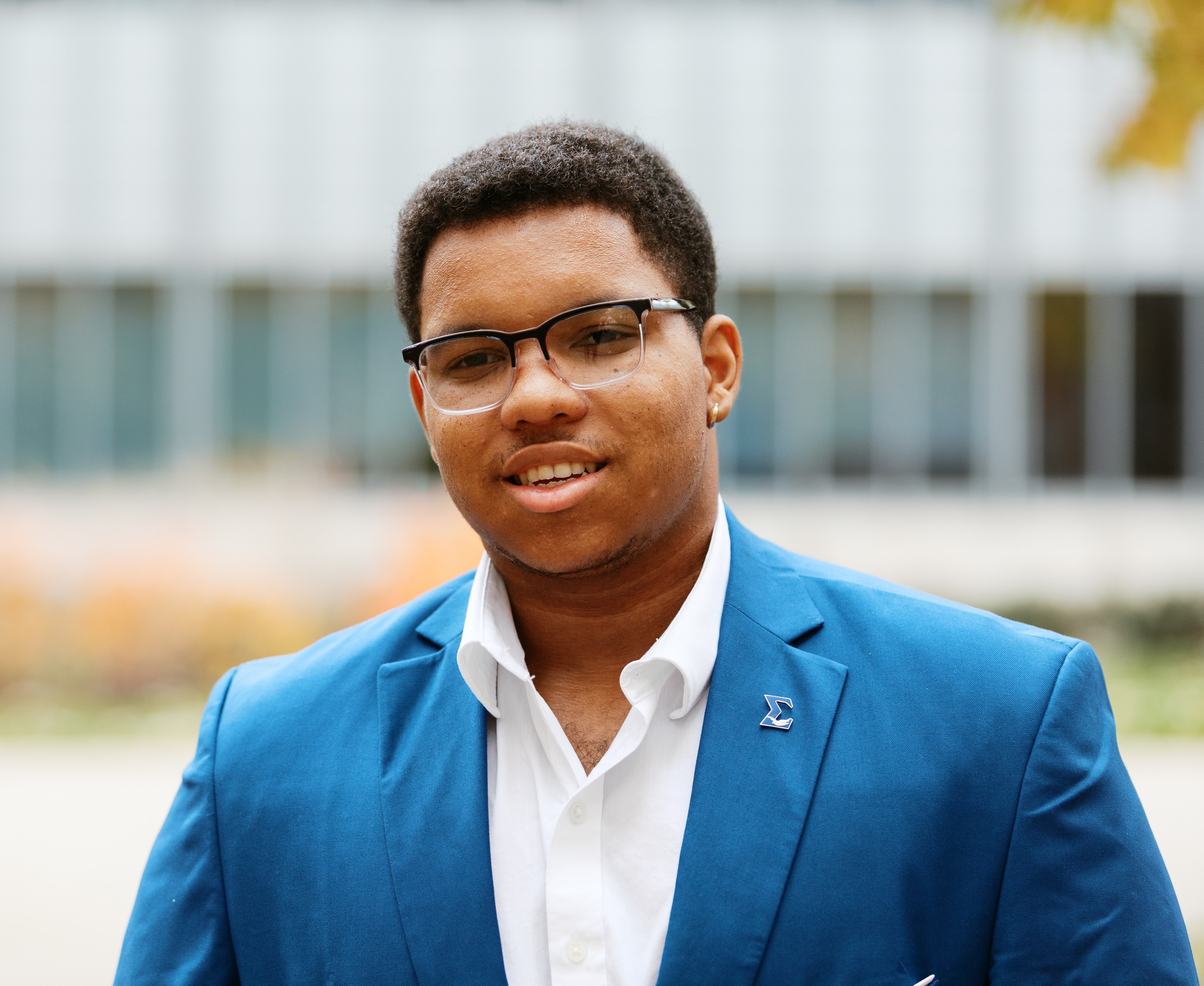
 Blog post written by Andrew Marshall
It feels like electives have a bad rep. What at times gets brushed away as “something you need to take to graduate” can actually be the difference between your current career path and one that’s better suited for you. It wasn’t until my sophomore year of college that I realized the influence electives could have on my major.
If you are a high school student, now is the perfect time to start reframing the way you view elective courses. If you are interested in buildings and design, take an architecture class. If you spend a lot of time reading or at a library, take creative writing. Or, consider taking something in a field you know nothing about. Every high school offers different options for you to choose from, all of which can help expand your understanding of the careers and majors available to you when applying for college.
The electives
With many electives to choose from, you can ignite a new passion or fuel one you already have. For me, electives have been some of the most memorable classes.
During my first year of college, I took a course called “Intro to World Music”, taught by Professor Mark Douglass, which completely changed the way I think about music. Before the class, I already enjoyed writing lyrics and recording vocals, but I had a very simple idea of what music was. To me, music was either a beat with a vocalist or just an instrumental. That perspective started to change once he played us a video that showcased how everyday sounds like water droplets could create rhythm and become music. At first, I was confused. I remember thinking, how can water droplets be considered music?
As the course went on, everything started to connect. My professor introduced music from different cultures and demonstrated how people around the world create music using natural sounds. It opened my eyes to the idea that music isn't limited to what you hear on the radio, but can be found almost anywhere.
That class gave me a greater appreciation for the creativity behind music and inspired me to think differently about the songs I create. Now, whenever I listen to music, I find myself paying closer attention to the creative choices.
During my sophomore year, building on my curiosity, I took a course called “Film and Music,” also taught by Professor Douglass. I always knew music played a role in movies, but I assumed it was mostly there to set the tone. I never understood how important the placement of music and sound could sway an audience's emotions.
We learned about concepts such as diegetic and non-diegetic sound. And we watched films like The Shawshank Redemption and Titanic, seeing how these lessons played out.
Throughout class, one assignment stuck with me. We were asked to choose a movie scene that had music so we could analyze how it shaped the scene. I chose the Pennywise dancing scene from the 2017 rendition of the movie IT. I always thought the scene was weird and a little funny, but after analyzing the sound, I realized that the distorted carnival music and deep bass created a feeling of suspense. The way I viewed the scene changed, and it taught me that filmmaking isn't just about what you see. I came to understand that without a sound department, films wouldn't feel as immersive.
What I discovered
My music, film, and writing electives all worked in tandem to help shape my passion for storytelling. These electives created my understanding of how different artistic mediums can enhance a story and the impact it can have on people. They also helped me understand that complex storytelling through writing, film, and music is what I want to pursue in my career.
Whether you're trying something completely new or building on an interest you already have, don't overlook the value of an elective. You never know if one elective can shape or change your college experience, major, or career goals. Worst case, you earn some credits. Best case, you discover a passion you never knew you had.


